










England is now making terrific wines across the country. But we still seem to struggle with the name ‘English Wine’, and that is a problem that started several years ago.
It is a quirk of legislation from way back last century that we do not refer to wines made from grapes grown in England, Wales, Scotland and Northern Ireland as British wines.
If the legislators had known that several decades later there would be over 1000 vineyards stretched from Sussex to Scotland, then they may have decided to call wines made from grapes grown across the whole of the British Isles as British Wine, but they didn’t. So that is why we refer to wine grown across Great Britain as English wine, whilst hoping that the people who grow grapes in Wales and Scotland will forgive us for including them under that umbrella term. There may be a move to change to the term ‘Great British’ wine, but that may take a while to be accepted.
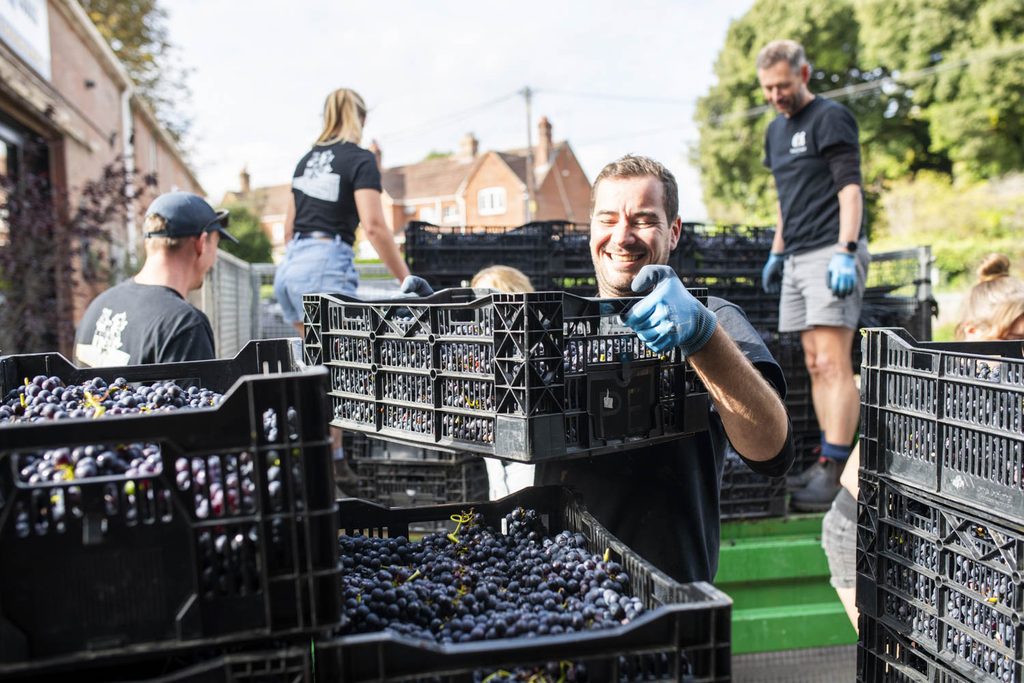
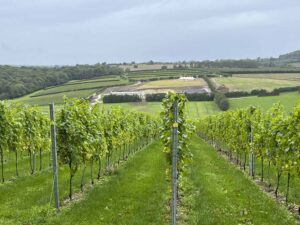
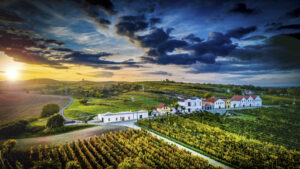
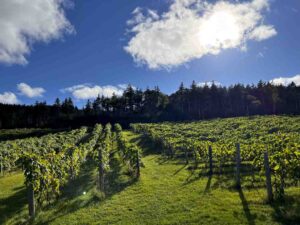
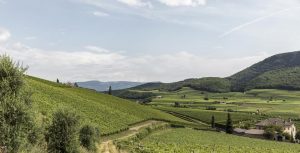
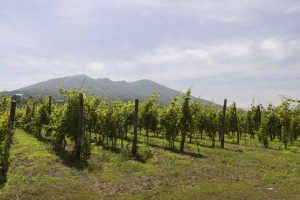
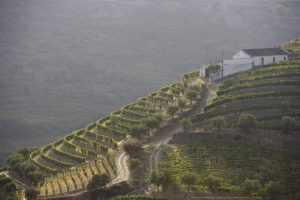
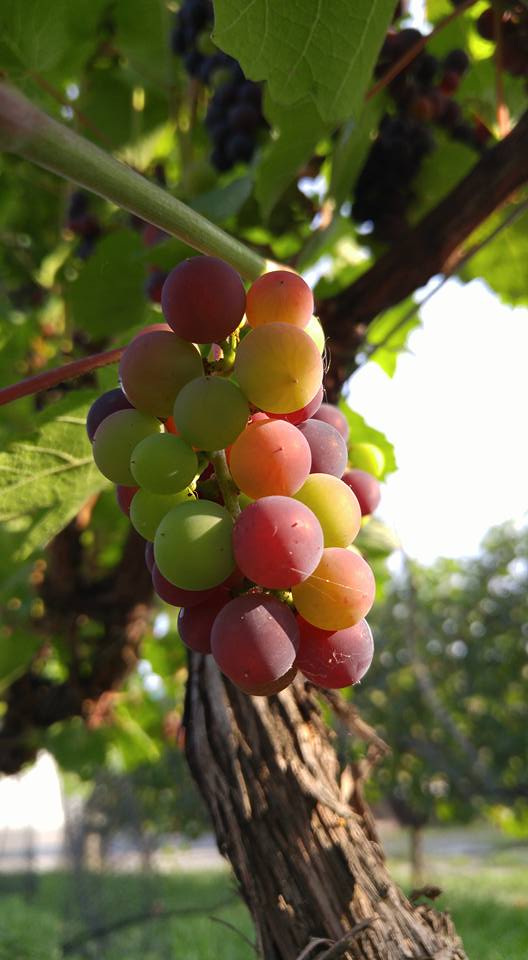
With over 4800 hectares (around 10,000 acres) of vines it seems that we are gradually converting large swathes of arable land into vineyard, but vines can’t be planted just anywhere. They need the right balance of soil, water, and climate, while also needing to be in a breezy, but not too windy. Buying the right land has become a bit of a game in some places with potential purchasers hiding behind company names that seem to want to grow potatoes or corn, rather than vines. “If we had said we wanted to plant a vineyard, they would have charged us twice the price”, said one vineyard owner, who prefers to remain anonymous.
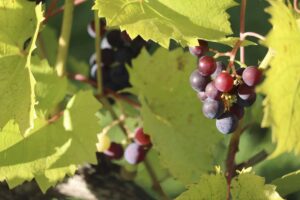
Of those 4800 hectares of vines over 70% are in a southern sweep of vineyards across Kent, West and East Sussex, Hampshire, Essex and Surrey. While experimental vineyards planted 30 years ago focused on German grape varieties, the most planted grape now is Chardonnay followed by Pinot Noir and Meunier. These provide the key grapes for sparkling wines which now make up 70% of all English wine production. There is a gradual increase in the amount of Pinot Noir produced for red wines, often using a particular clone of Pinot that ripens early, allowing it to produce fuller flavours.
The question I am most frequently asked about English sparkling wine – is it as good as champagne? The answer is clear. Some of the wines I have tasted during the last few months are a lot better than many champagnes, although it is not a straight comparison. English wines have a purity of style and the freshness of an English garden. The ones mentioned here will definitely provide an alternative to Champagne for any summer party or occasion. They are not the same, but most use the same types of grapes and the same method of production.
Even the soil is much the same. The chalky soil that is the bedrock of the champagne region extends under the channel and pops up in places across the southern part of England.
Naturally the French have been making decent fizz for centuries so you might expect them to be ahead in the quality game, but English producers have caught up quickly, realising that ageing in bottle gives the wines depth and complexity.
Over the last few weeks, I have tasted through dozens of English wines, both still and sparkling. Here are some of the best that you should head for.
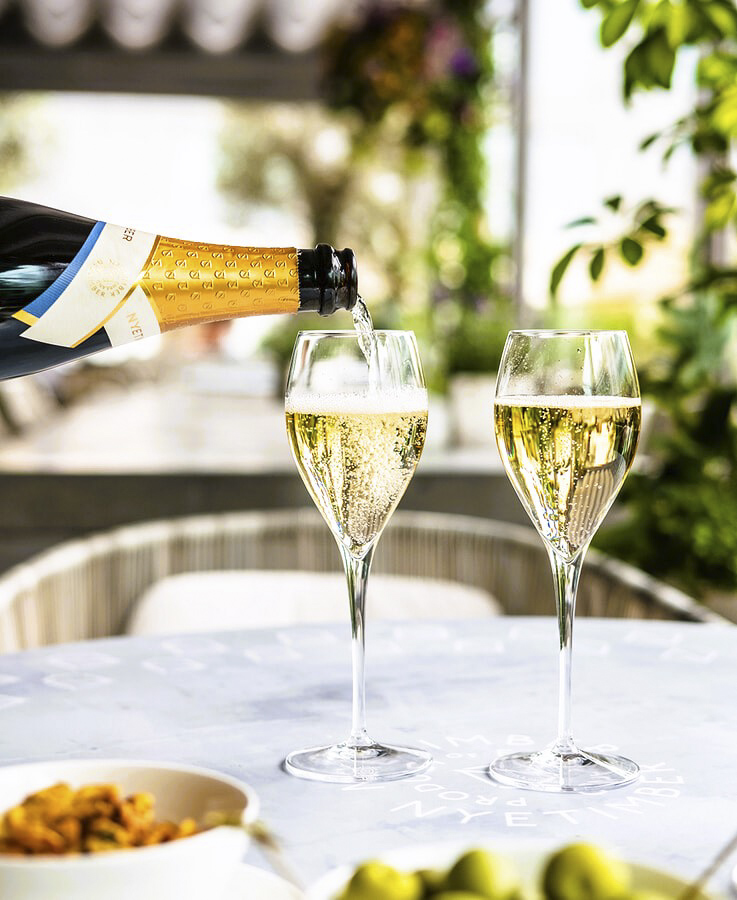
Nyetimber
Henry VIII gave this estate to Anne of Cleves when their marriage was dissolved, but she didn’t think of growing vines there. Now greatly expanded the estate produces a classic creamy style of English fizz, aged on its lees for three years to give enough complexity to accompany a whole dinner. Winemaker Cherie Spriggs was awarded the accolade of ‘Sparkling Winemaker of the Year’ in 2018, by the International Wine Challenge. This was the first time that a winemaker from outside Champagne has won this accolade.
Black Chalk
Owner and winemaker Jacob Leadley grows grapes on 12 hectares of Hampshire chalk soils and is determined that English wine should stand out for its own character “At first everyone thought that English sparkling wine should be compared with Champagne,” he said, “but English wine has its own identity. At Black Chalk we want to show the bright delicate fruit that is in our wines and celebrate the freshness that is in every bubble. We build complexity in the wine in several ways, by using a number of different clones of each of the varieties that go into the wine, Chardonnay, Pinot Noir and Meunier. Then we map out the vineyard and ferment each block separately to see which soil and clone combination works best in the blend. We might even use a little oak ageing to add a touch of complexity.” Black Chalk Wild Rose 2022, made from 57% Pinot Noir, 36% Pinot Meunier and 7% Chardonnay is a fine example of the quality available in English Sparkling Wine.
Domaine Evremond
This Kent property is part-owned by the Taittinger family who also make rather good champagne, so it wasn’t surprising that they sent a champagne winemaker, Alexandre Ponnavoy, to oversee production. Their Classic Cuvée is an elegant wine with fresh, garden blossom notes, citrus and white peach, with a hint of white pepper on the finish.
Balfour
The Hush Heath estate is owned by Richard Balfour-Lynn, with the name Balfour appearing on many of the wines. There are sparkling wines, plus a terrific range of still wines, including unusual grape varieties such as Albariño and a delicious Pinot Noir red.
Roebuck
Located in the heart of Sussex, Roebuck is a rising star in the English wine market, winning several medals and awards in recent years. The Estate Reserve has creamy, baked apple and ripe apricot notes and a rich, silky texture.
Exton Park

Exton Park’s 24-hectare vineyard is based on the rolling chalk hills of Hampshire. Corinne Seely has been the head winemaker here for over 15 years and she has built up extensive reserve wines to add complexity and depth to her wines. Outstanding amongst the range is Exton Park Blanc de Blancs RB45, NV a wine made from 45 reserve Chardonnay wines dating back to 2015. Rich and creamy with notes of bruised apple and toasted hazelnuts, this is an outstanding wine.